First time recording? How to prepare for the studio
A practical guide for first-time recording: song preparation, choosing the right studio setup, gear to bring, and session tips.
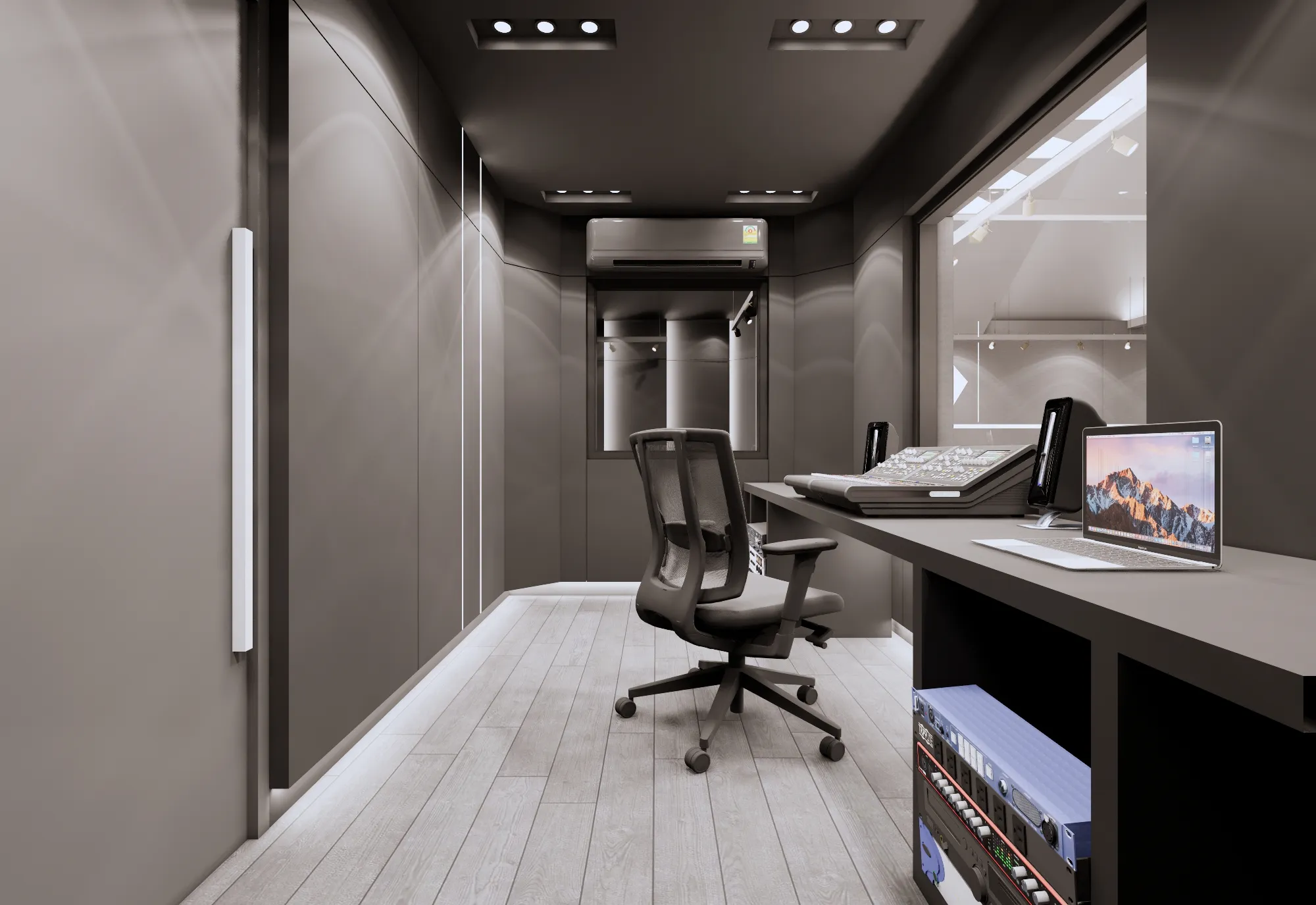
Many bands spend months planning their first recording session, then lose half a day in the studio sorting out problems they could have prevented. Studio time is expensive. Every minute counts. This guide covers everything you need to know before, during, and after your first time in a recording studio.
1. Practice until tight before you book
A recording studio is not a rehearsal room. If you still can't play the song without stopping, if parts of the arrangement aren't finalized, or if anyone is still learning their part, book a rehearsal room first.
Simple readiness test: if the band can play the song from start to finish without stopping, three times in a row, you're ready to record. If not, keep practicing.
2. Choose your recording method: live or tracking
Two main approaches used in recording studios:
| Live Recording | Tracking | |
|---|---|---|
| Method | Everyone plays at once, recorded simultaneously | One instrument at a time: drums first, then bass, guitar, vocals |
| Pros | Raw energy, natural feel, finishes faster | Fix individual tracks, more control over quality |
| Cons | Harder to edit, requires very tight playing | Takes longer, can lose the live energy |
| Best for | Bands that are already very tight together | Bands wanting precise, polished results |
For a first recording, tracking is usually the safer choice. It's more forgiving, and you won't need everyone to nail their part in the same take.
3. Prepare reference tracks
A reference track is a song that sounds like what you want your final product to sound like. Not the same song, but an example of the "sound" you're after. For example:
- Dry, punchy drums like Arctic Monkeys
- Thick, layered guitars like Foo Fighters
- Soft, warm vocals like Adele
Send your reference tracks to the sound engineer before the session. This saves significant time adjusting sound during the actual recording.
4. Prepare your gear
In a rehearsal room, slightly worn strings or minor buzz might go unnoticed. In a recording studio, the microphone picks up everything. Prepare more carefully than usual:
- Fresh guitar/bass strings — change them 1-2 days before the session so they settle in. Not the day of.
- Drum heads — if they're old, the sound will be dull with no sustain
- Noise-free cables — cable noise that's invisible in a rehearsal room becomes very obvious under studio microphones
- Spare drumsticks — sticks break during recording more often than you'd think
- Picks — bring several, in the thickness you prefer
5. On recording day: how to keep things smooth
Once you're in the studio, follow this approach:
- Arrive 15 minutes early — set up gear, test levels, and do a sound check before the clock starts
- Tune before every take — temperature differences between the rehearsal room and studio cause tuning drift
- Don't change the arrangement in the studio — finalize all arrangement decisions before recording day. Changing things in the studio costs everyone time.
- Listen to the engineer — if they suggest playing softer or repositioning, try it first. They're hearing through studio monitors that are far more accurate than your ears in the room.
6. Common first-timer mistakes
- Recording until exhausted — take 15 is usually worse than take 3. If 5 takes haven't worked, take a 10-minute break or move to a different song.
- Headphone volume too loud — loud monitoring leads to loud singing, which leads to distortion. Set the volume just loud enough to hear clearly.
- Not resting your ears — every 45-60 minutes, take off the headphones for 5 minutes. Ear fatigue degrades your judgment.
- Trying to finish everything in one day — one song recorded properly in a full day is a good result. Don't try to squeeze 5 songs into 3 hours.
7. After recording: mixing and mastering
Recording is only the first step. The raw tracks from the studio need two more stages:
- Mixing — adjusting volume, EQ, and effects for each track so they work together. Typically takes 4-8 hours per song.
- Mastering — polishing the final mix and adjusting loudness for distribution. Usually 1-2 hours per song.
Thunder Studio's Control Room is equipped with a mixing console, studio monitors, and a DAW workstation for both mixing and mastering.
Pre-recording checklist
Haven't picked a studio yet? Read How to choose a recording studio to check acoustics, equipment, pricing, and red flags before you book.
Ready to record?
Thunder Studio's Control Room has a mixing console, studio monitors, and a DAW workstation for recording, mixing, and mastering. Or book Studio 1 to tighten up before your session. Open daily 10:00 AM to 10:00 PM in Don Mueang, Bangkok.