How to Choose a Recording Studio: What to Check Before Booking
A practical guide to choosing the right recording studio: acoustics, equipment, engineer skill, rates, red flags, and questions to ask before you book.
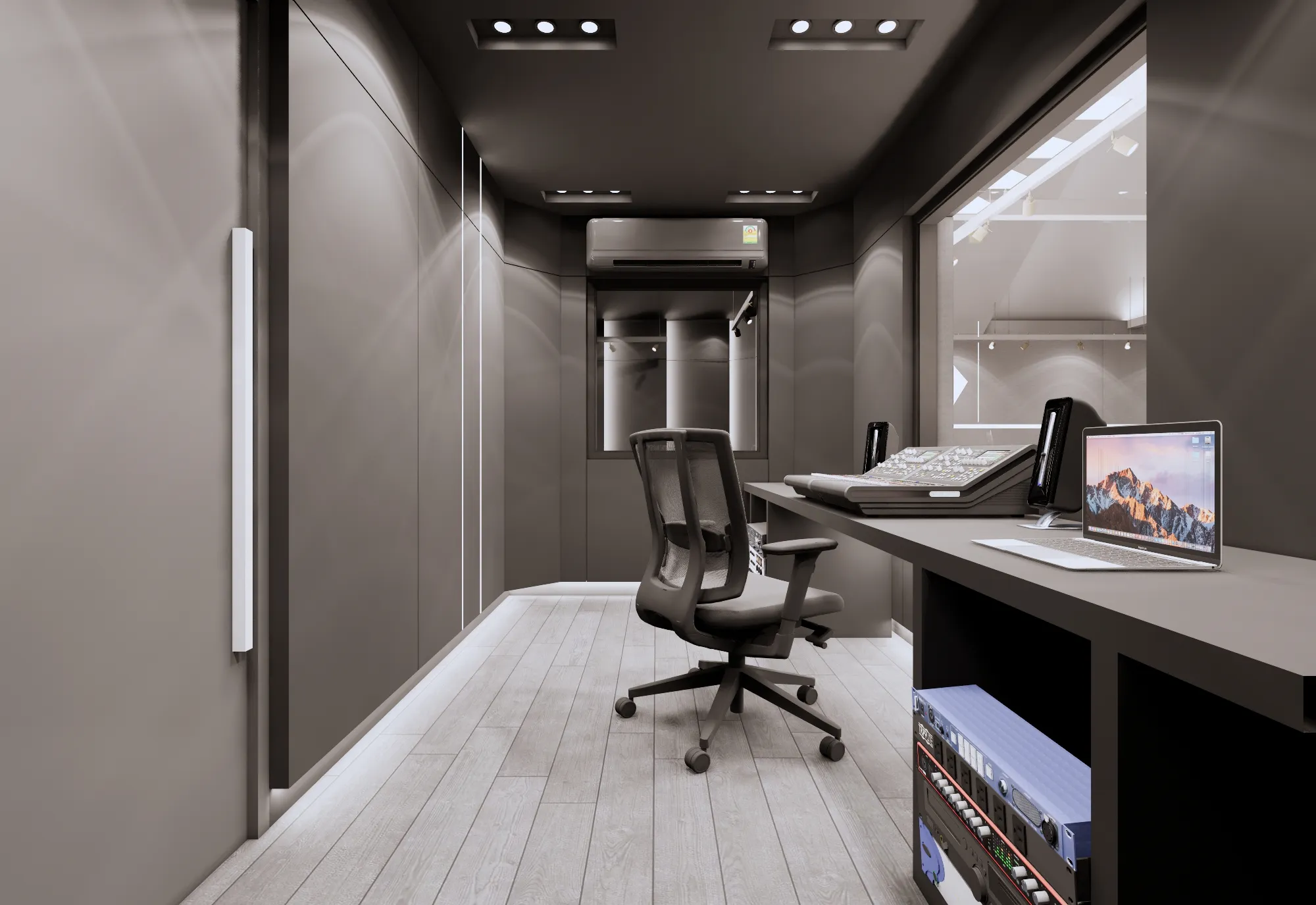
Choosing the right recording studio comes down to six key criteria: room acoustics, equipment, engineer skill, location, session rates, and portfolio. Checking all six before booking saves you time, money, and the frustration of working in a studio that doesn't fit your needs.
8 things to check before booking a recording studio
1. Room acoustics and soundproofing
Acoustics are the foundation of any good recording studio. When you visit, clap your hands or speak loudly and listen. Do you hear a flutter echo? Does outside noise bleed in — traffic, air conditioning, adjacent rooms?
A room without proper acoustic treatment will have reflections the microphone captures clearly, making the mix harder and the sound inconsistent. The best way to verify is to ask for a dry recording sample made in that specific room.
2. Equipment and DAW
Ask directly: what console, what DAW, what microphones? A good studio answers without hesitation. Gear doesn't need to be the most expensive, but it needs to be well-maintained and the engineer needs to know it thoroughly.
- Mixing console — analog or digital, each has a different character
- DAW — Pro Tools, Logic, Ableton, Cubase all work well if the engineer is fluent
- Microphones — should include condensers for vocals and dynamics for drums, multiple options
- Studio monitors — essential; if they're using consumer speakers, that's a problem
3. Engineer experience
Great gear with an inexperienced engineer still produces poor results. Ask to hear the engineer's portfolio. If they've worked in your genre before, even better. Ask whether they've recorded bands similar to yours, and whether you can contact any of those bands.
A good engineer will ask what sound you're going for. They won't just take the booking and tell you to start playing.
4. Location and accessibility
Recording days can run long — 6 to 10 hours is common. Location matters more than people realize. Is there parking? If you're hauling a drum kit, how does the loading work? Is it reachable by public transit? If you're based in Bangkok, the distance from where your band members live to the studio affects how fresh everyone arrives.
Thunder Studio is in Don Mueang, Bangkok, with parking available. Open daily 10:00 AM to 10:00 PM.
5. Session rates and what's included
Hourly rate alone isn't enough information. Ask exactly what's included:
- Does the rate include the engineer, or is that billed separately?
- Is mixing included, or is it an add-on?
- How many revisions are allowed?
- What file format do you receive — WAV or MP3?
- If the session runs over the booked time, how is that charged?
Get the full picture before you commit so there are no surprise costs afterward. Contact Thunder Studio for current rates.
6. Sample work and portfolio
Ask to hear recordings made at that studio — not the engineer's personal demo work, but actual client recordings. If the studio can't produce any, or claims everything is confidential, that's worth noting.
When you listen, check whether the sound is clean and detailed, whether there's background noise, whether the drums are tight, and whether the vocals sit clearly in the mix or get buried.
7. Reviews and reputation
Check the studio's Google Reviews — both the rating and the content. If multiple reviews mention the same issues (engineer running late, equipment problems, unexpected charges), treat that as a pattern, not a one-off.
Asking musician friends who've recorded locally tends to produce more honest feedback than online reviews alone.
8. Vibe and comfort
You may be spending 6-10 hours in this room. Is it clean? Is the temperature comfortable? Does the engineer communicate well or make you feel rushed? Is there somewhere to sit and rest between takes?
If visiting the studio before booking already feels uncomfortable, trust that. Good recordings come from musicians who feel relaxed in the room.
Red flags to watch for
Before booking, if you see any of these, reconsider:
- No portfolio to share — a studio that's been operating for any length of time will have recordings to show. No samples means no track record.
- Pressure to book immediately — urgency tactics ("this offer ends today") are sales pressure, not signals of quality work.
- Unclear or shifting pricing — if you can't get a straight answer on what the rate includes, expect confusion later.
- Poorly maintained equipment — broken cables, dusty consoles, faders that don't move smoothly. These reflect how the studio runs overall.
- No in-house engineer — if you need an engineer and the studio says you're on your own, make sure you understand what you're actually booking.
Questions to ask before booking
Have these ready when you contact the studio:
- What DAW and microphones does the studio use?
- Does the hourly rate include the engineer?
- Is mixing included, or is there a separate mixing package?
- Can I hear recordings made at this studio?
- If I need revisions after the session, how is that handled and charged?
- Is there parking, and how does drum kit load-in work?
Recording studio vs rehearsal room
Many musicians are unclear on the difference. Here's a direct comparison:
| Recording Studio | Rehearsal Room | |
|---|---|---|
| Purpose | Capture high-quality audio for release | Practice music without disturbing others |
| Acoustics | Designed and treated for recording | Soundproofed outward, interior acoustics not critical |
| Equipment | Mixing console, DAW, microphones, studio monitors | Amps, drum kit, basic PA system |
| Engineer | Usually included or available | Not needed, self-service |
| Output | Mixed and mastered audio files | Band tightness and performance readiness |
| Use when | Band is ready, songs are tight, need audio files | Still rehearsing, arrangement not finalized |
If you're not fully rehearsed yet, book Studio 1 rehearsal room first, then move to the Control Room when you're ready to record. For full session prep tips, see the first-time recording guide.
Frequently asked questions
What is the difference between a recording studio and a rehearsal room?
A rehearsal room is built for practicing without disturbing neighbors. A recording studio has controlled acoustics, recording equipment, and an engineer to capture high-quality audio files ready for release.
How long does a recording session take?
A well-rehearsed band typically needs 3-6 hours per song, including setup, tracking, and initial playback. Add 4-8 hours per song if mixing is included in the session.
Do I need my own engineer?
Not necessarily. Most studios have an in-house engineer included. If you have an engineer who already knows your band's sound, you can bring them along.
What should I prepare before my session?
See the first-time recording preparation guide for a full walkthrough: rehearsal readiness, gear to bring, and day-of-session tips.
How much does a recording studio cost?
Rates vary by room, equipment, and what's included. Contact Thunder Studio for current rates or reach us on LINE @093tfxmp.
Can I do mixing and mastering at the same studio?
Yes. Thunder Studio's Control Room is equipped with a mixing console, studio monitors, and a DAW workstation for recording, mixing, and mastering in one place.