How to prepare for band rehearsal
Practical tips to get more out of every rehearsal session: setlist planning, gear prep, warm-up routines, and time management.
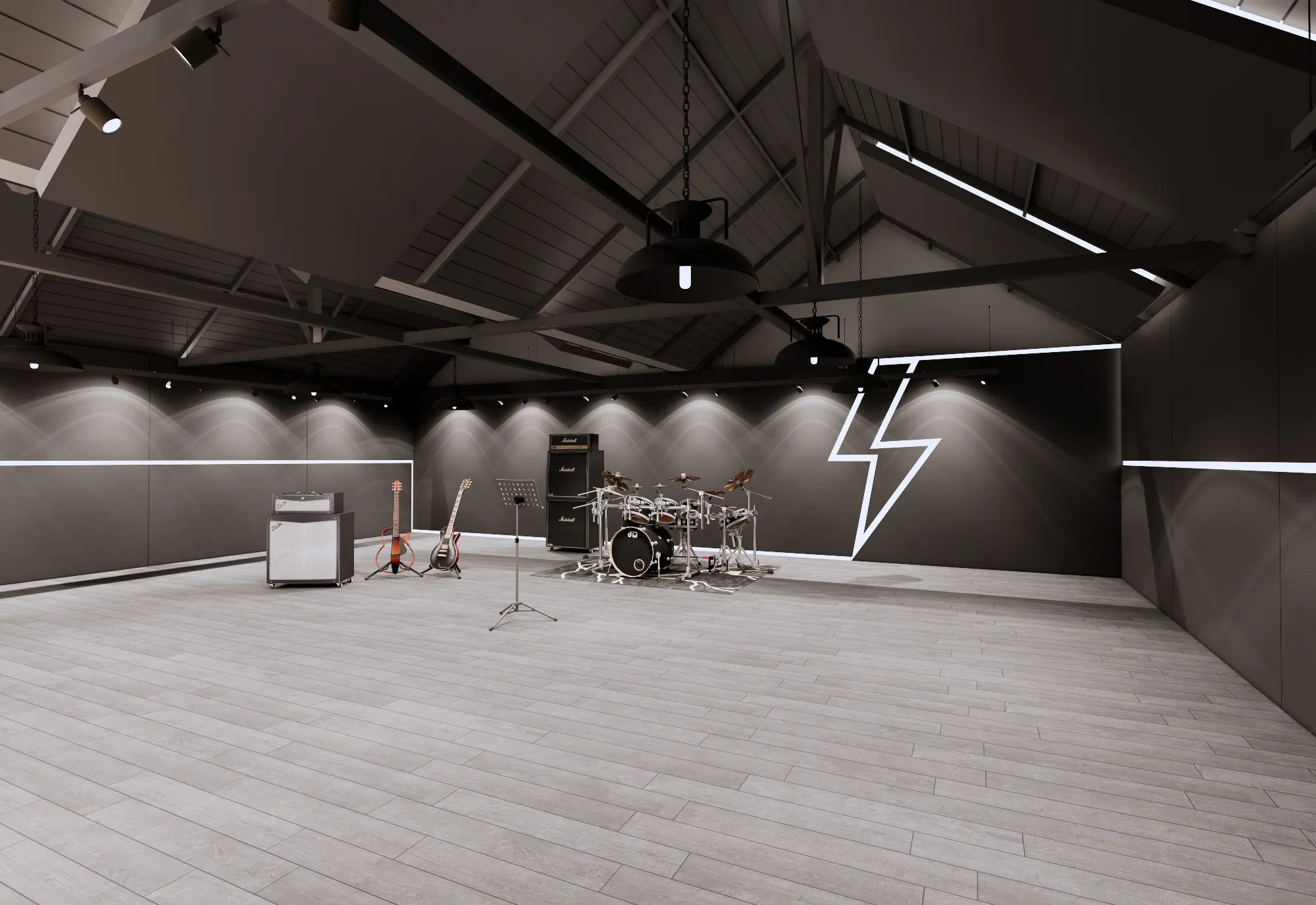
Most bands pay by the hour for rehearsal space, then spend the first 20 minutes plugging in, tuning up, and debating what to play. That wasted time adds up fast. A 2-hour session with 20 minutes lost is 17% of your budget gone before a single song is played. This guide covers everything you need to do before and during rehearsal so every minute counts.
1. Plan your setlist before you arrive
The single biggest time killer in a rehearsal room is pulling up your phone to figure out what song to play next. At least one day before rehearsal, agree on:
- Which songs to rehearse — list them in priority order, hardest first
- Keys and tempos — settle these in advance so nobody wastes time searching during the session
- Time per song — set rough limits to avoid getting stuck on one track for 45 minutes
Share the setlist via a group chat or Google Doc so everyone sees the same plan.
2. Learn your parts at home
Rehearsal time is for playing together, not for learning songs individually. If you still can't remember the chords or melody, practice at home or book a small rehearsal room for solo practice before the group session.
The goal: every member walks in already knowing their part. Rehearsal time is then spent on dynamics, timing, transitions, and arrangement details that only work when the whole band plays together.
3. Prep your gear the night before
Check your equipment at least the night before:
- Guitar / bass strings — if they're old or rusted, change them the day before. Not in the rehearsal room.
- Instrument cables — bring at least one spare. A dead cable in the room means you're done.
- Drumsticks — always carry a spare pair
- Tuner — a phone app works, but a clip-on tuner is more accurate in a loud room
- Picks — bring several. They disappear.
At Thunder Studio's Studio 1, Marshall amps, a full drum kit, PA system, and mics are already set up. Just bring your guitar or bass.
4. Arrive at least 10 minutes early
Getting there early pays off in multiple ways:
- Time to set up without eating into your booked hours
- Tune your instruments and check levels before the clock starts
- Familiarize yourself with the room layout and equipment positions
- Light warm-up before the real work begins
When everyone shows up on time, you can start playing the first song within 5 minutes instead of losing 20 minutes waiting for the last member to arrive.
5. Warm up with purpose
A focused 5-10 minute warm-up reduces injury risk and improves performance:
- Guitarists / bassists — play scales or chromatic runs slowly, then gradually increase speed
- Drummers — play basic patterns at moderate volume. Focus on stick control and timing.
- Vocalists — warm up with lip trills or humming. Don't belt at full volume immediately.
6. Manage your time in the room
A typical 2-hour session breaks down like this:
| Time | Activity |
|---|---|
| 0:00 – 0:10 | Setup + tune + warm-up |
| 0:10 – 0:50 | Hardest songs / new material |
| 0:50 – 1:00 | Break (hydrate, discuss arrangement notes) |
| 1:00 – 1:40 | Remaining songs / full set run-through |
| 1:40 – 1:50 | Final run-through without stopping |
| 1:50 – 2:00 | Debrief + action items for next session |
The key principle: tackle the hardest material first when focus and energy are highest. Songs you already know well go later.
7. Record every session
Set your phone on a stand and hit record when rehearsal starts. It doesn't need to be studio quality — just listenable enough to review. Here's why:
- You'll hear things you can't notice while playing (timing drift, pitch issues, balance problems)
- Recordings become study material during the week before the next session
- You can track how the band improves over weeks and months
For professional-quality recordings, try the Control Room with its mixing console and DAW workstation.
8. Communicate clearly during rehearsal
A common trap: the band plays through a song, nobody says anything, then they play it again the same way. Use this system instead:
- After each song, every member shares one specific thing to adjust
- Be precise: "drums quieter during the bridge" is better than "that part didn't sound right"
- Don't run the same song more than 3 times in a row. If it's still not working, note the problem and take it home for individual practice.
9. Pre-rehearsal checklist
New to rehearsal rooms? Read What is a music rehearsal room? to understand how they work, what equipment is included, and how they compare to practicing at home.
Ready to rehearse?
Thunder Studio has rooms for every setup — from a small room for solo practice to a large room for 6-10 musicians. Open daily 10:00 AM to 10:00 PM in Don Mueang, Bangkok.