Band Rehearsal for Beginners: A Complete First-Timer's Guide
Never been to a rehearsal room before? This guide walks you through everything — what to expect, what to bring, how the session flows, and common mistakes to avoid.
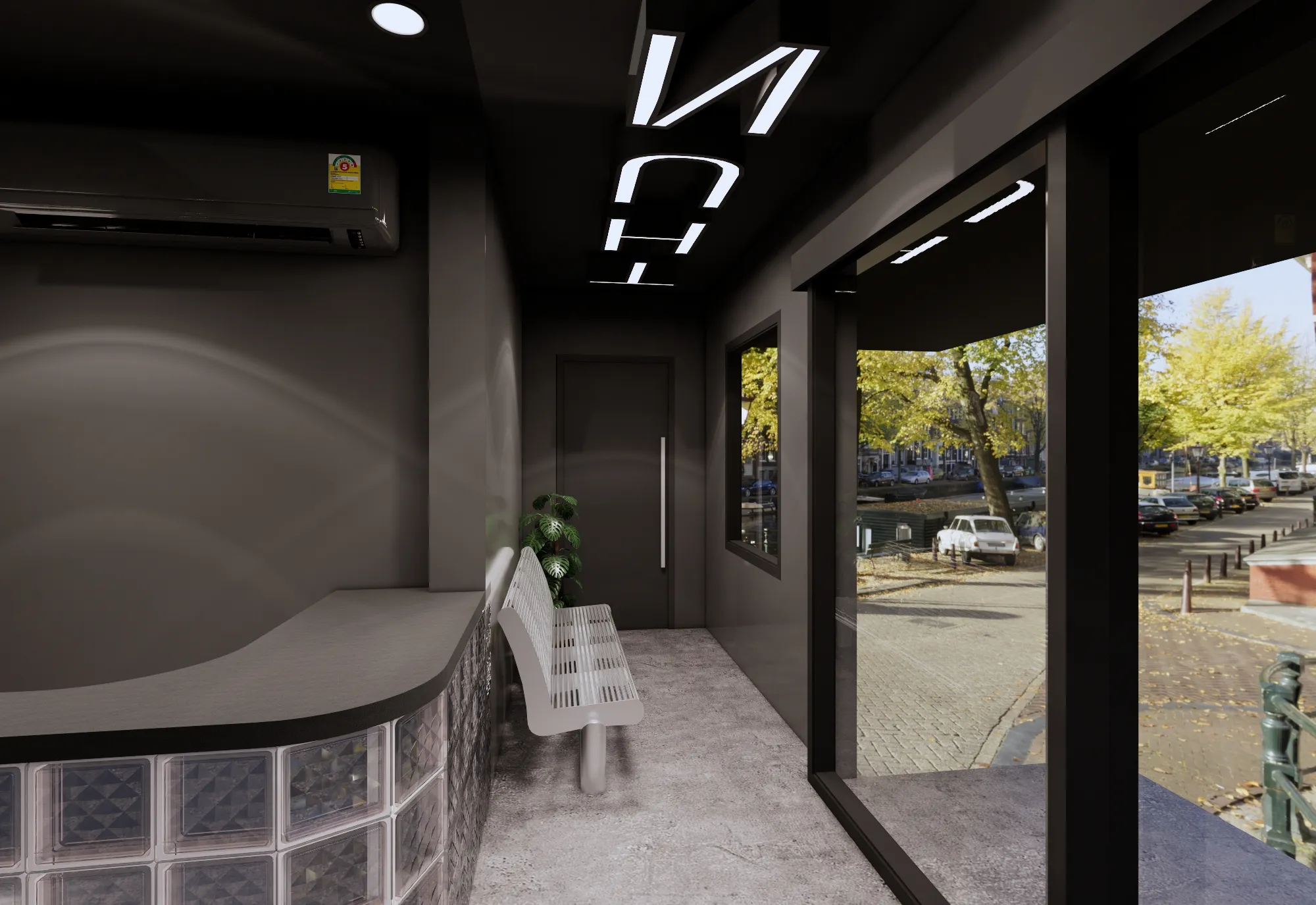
If this is your first time booking a rehearsal room, feeling unsure is completely normal. You don't know what to expect, what to do when you get there, or what you might forget. This guide is written specifically for you. By the time you finish reading, you'll walk into your first session ready to play.
Who actually needs a rehearsal room
Rehearsal rooms aren't just for serious bands or professional musicians. These are the people who get the most out of them:
- Bands who've outgrown bedroom practice — if you're running into noise complaints, cramped space, or you can never play at real volume, a rehearsal room solves all of that immediately.
- Musicians who want to hear their actual sound — playing guitar through headphones or a tiny speaker feels nothing like playing through a proper amp. Hearing yourself in a real room accelerates improvement faster than most people expect.
- Groups preparing for a gig — whether it's a school event, an open mic, or a private party, rehearsing in a room that sounds like a stage takes the edge off on the day itself.
- Solo musicians who want focused practice time — booking a small room by yourself gives you acoustic space, proper sound, and no distractions. Sometimes that's all you need.
Not sure what a rehearsal room actually is? Read What is a music rehearsal room? first — it covers the concept, equipment, and how it compares to practicing at home.
What to expect on your first visit
The flow of a rehearsal session is straightforward. Knowing it in advance makes the whole thing feel less daunting:
- Arrive — check in at the front desk with the name on your booking. Staff confirm your time slot and room.
- Enter the room — someone will walk you in and briefly explain what's set up. If you've never used a particular amp or drum kit before, ask. There are no stupid questions here.
- See the equipment — a full drum kit, Marshall guitar amp, bass amp, PA system, and mic will already be in position. You don't need to move much.
- Set up — plug in your cables, set amp volumes low, and tune your instruments. Always start quiet and work up — it's easier to add volume than to recover from blowing everyone's ears out on the first chord.
- Play — warm up for 5-10 minutes, then work through the songs you planned.
- Pack up — when your time is up or close to it, collect your gear and leave the room as you found it. If anything broke or was already damaged when you arrived, let staff know.
What to bring — and what to leave at home
Thunder Studio provides the core gear. Here's what you should bring yourself:
- Your instrument — guitar, bass, violin, whatever you play. Drummers don't need to bring a kit — the studio's is already set up.
- Instrument cables — bring at least one spare. A dead cable mid-session can stop everything.
- Tuner — a phone app works fine, or a clip-on tuner for better accuracy in a loud room.
- Water — two hours of playing means you'll get through more than you think.
- A song list — even notes on your phone. Knowing what you're rehearsing in advance saves significant time.
- Picks (guitarists/bassists) — bring several. They vanish.
- Spare drumsticks — if you're drumming, always carry a backup pair.
What not to bring: your own amp (one is already there), food into the room (not permitted), guests who aren't playing (space is limited).
Basic rehearsal etiquette
Rehearsal rooms are shared spaces. The rules are minimal, but they matter for everyone using the building:
- Manage your volume — don't open at maximum volume. Work up gradually. Good sound doesn't require being painfully loud. If you can't hold a conversation in the room, it's probably too loud.
- Respect the time — start and stop when your booking says. Another band may be waiting. If you want to extend, ask staff before your slot ends.
- Handle equipment carefully — don't rest heavy things on the drum kit, don't slam stands or throw sticks. If something breaks, report it honestly.
- Clean up before you leave — take your rubbish, coil your cables, return anything you moved to its original position.
- Watch wall and floor noise — studios often share walls. Heavy impacts and shouting travel in ways amplified sound doesn't.
Common first-timer mistakes
After seeing hundreds of first sessions, these are the patterns that come up again and again:
- No setlist — arriving without knowing what to rehearse and spending 20 minutes debating it. Decide the song list at least a day before.
- Arriving on time instead of early — your paid time starts at the booking hour, not when you're ready to play. Arriving at exactly 2pm means setup eats into your session. Come 10-15 minutes early.
- Starting too loud — blasting from the first note makes everything harder to hear, and you'll tire out faster. Start lower, balance the instruments, then adjust.
- Not recording the session — set your phone on a stand and hit record from minute one. You'll hear timing issues and balance problems you simply can't notice while playing.
- Getting stuck on one song — if a section isn't working after three tries, write down the problem and move on. Come back to it at the end. Otherwise one song eats the whole session.
- Not knowing your own part yet — rehearsal rooms are for playing together, not for learning songs individually. If you don't know your parts yet, book Studio 2 for solo practice first, then come back for the full band session.
How often should beginners rehearse
It depends on where you are and what you're working toward:
- Just starting, no set repertoire yet — every 2-3 weeks is enough. Focus on individual practice between sessions so nobody shows up needing to re-learn everything.
- 4-5 songs in progress, want to tighten them up — once a week, 2 hours per session. You'll notice clear improvement within a month.
- Preparing for a performance — twice a week for the 3-4 weeks before the date, then drop back to once per week in the final week to avoid burning out before the show.
Quality beats quantity. Two focused hours does more than four hours of aimless noodling. Not sure which room fits your band size? Read the rehearsal room size guide before you book.
Frequently asked questions from first-timers
What should a beginner bring to band rehearsal?
Your instrument, a cable, a tuner, and water. The studio provides drums, amps, and a PA system — no need to haul heavy gear. Pack spare strings, picks, or drumsticks if you have them.
How does a rehearsal room session actually work?
Check in at the desk with your booking name, get shown to the room, plug in, tune, and play. Staff are around the whole time if something isn't working or you have questions.
How long should beginners book?
Two hours is the sweet spot for a first session. Enough time to set up, warm up, and run through 3-5 songs without it feeling rushed. Under 2 hours leaves very little room for anything to go sideways.
Do we need to be good to use a rehearsal studio?
Not at all. Studios exist for practicing, not performing. Beginner bands use them all the time to figure out how to play together. There's no judgment — just a proper space to make noise and get better.
How is a rehearsal studio different from practicing at home?
Studios are soundproofed, so you can play at full volume without complaints. The gear is already set up and sounds good. And booking a room creates a time commitment that home practice rarely has.
How often should a beginner band rehearse to improve?
Once a week or every two weeks works well to start. More important is that everyone practices their parts solo between sessions. If nobody practices at home, the rehearsal room just becomes where you slowly learn songs — which is expensive.
Ready to book your first session?
You now know more than most first-timers who walk through the door. Here's what to do next:
- Pick the room that fits your band: Studio 1 (large room) for 4+ musicians, or Studio 2 (small room) for 2-3 people.
- Still not sure which room to pick? Read the room size guide.
- Once you've got your first session under your belt, read how to prepare for band rehearsal to start getting more out of every session.
Thunder Studio is open daily 10:00 AM to 10:00 PM in Don Mueang, Bangkok. Contact us for rates and availability.